


Selecting the right multi voltage power supply is critical for ensuring safe,efficient,and reliable operation of your electronic or industrial systems.With multiple output options,these power supplies provide flexibility to power various devices without needing separate units.
First,consider the required voltage and current ranges.A variable voltage power supply allows you to adjust output to match your devices’specifications.Knowing the precise voltage requirements prevents overloading or damaging sensitive components.
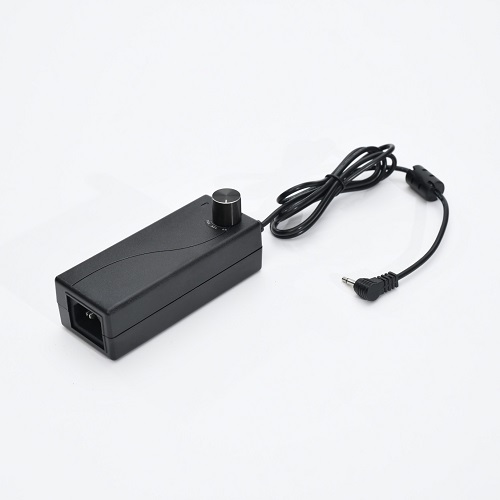
Next,evaluate the type of power supply.Regulated multi voltage power supply units offer stable and consistent outputs,which is essential for laboratory experiments,automation systems,and electronic testing environments.Unregulated units may cause fluctuations that can harm equipment.
Power rating is another key factor.High power multi voltage power supply options are suitable for industrial or heavy-duty applications,while lower-power models are sufficient for small electronics projects or LED systems.
Consider the number of output channels.Some applications require multiple simultaneous voltages,making adjustable multi output power supply a better choice.This is especially important for R&D labs and OEM projects where flexibility is critical.
Other factors include safety features,energy efficiency,and physical form factor.A portable multi voltage power supply can be ideal for fieldwork or mobile testing setups,while stationary models are better for permanent installations.
Finally,for specialized applications,OEM multi voltage power supply units can be customized to meet specific voltage,current,or size requirements,ensuring optimal performance and reliability.
In summary,choosing the right multi voltage power supply involves considering voltage range,regulation type,power rating,output channels,and application-specific requirements.A well-selected power supply ensures safety,efficiency,and durability in modern electronic and industrial systems.