




A Dual Output Power Supply is an electrical power conversion device designed to provide two independent or coordinated output channels from a single power supply unit. It is widely used in industrial automation, electronic equipment, testing systems, communication devices, and other applications that require multiple voltage outputs.
Compared with a single-output power supply, a dual output dc power supply can supply two voltage rails within one compact unit, helping simplify equipment wiring and reduce installation space.
Whether you are looking for a dual output switching power supply, a dual output Power Adapter, or a reliable Dual Output Power Supply manufacturer, understanding its working principle, output configuration, and selection criteria is important.
This guide introduces different types of dual output power supplies, their main features, common applications, and factors to consider when choosing a professional supplier.
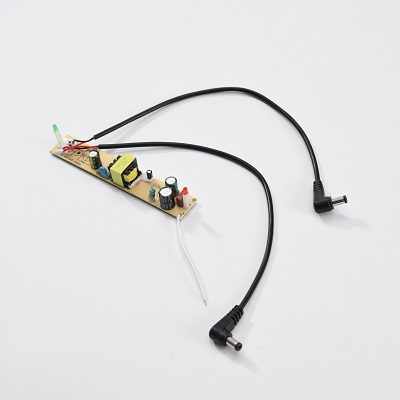
What Is a Dual Output Power Supply?
A dual output power supply is a power conversion unit that provides two electrical outputs through one device. Depending on its design, the two outputs may provide different voltage levels, share a common ground, or operate with electrical isolation.
For example, some electronic systems require both positive and negative DC voltages, while other applications need two separate DC voltage rails to power different components.
A dual power supply can meet these requirements without using two completely separate power supply units.
Common configurations include:
Positive and Negative Outputs: Provides positive and negative DC voltages for analog circuits, amplifiers, and electronic equipment.
Two Different Voltage Outputs: Supplies two voltage levels for separate electronic components.
Dual Independent Outputs: Provides two output channels with independent regulation or control, depending on the design.
Isolated Dual Outputs: Uses isolated output circuits to provide electrical separation between channels.
The actual output configuration depends on the power supply circuit design and product specifications.
How Does a Dual Output DC Power Supply Work?
A dual output DC power supply converts incoming electrical power into two DC output channels. The specific working process depends on whether the unit uses a linear or switching power supply design.
A typical dual output switching power supply works through the following stages:
1. AC Input
The power supply receives AC input power from the electrical grid. The supported input voltage and frequency depend on the product design.
2. Rectification and Filtering
The incoming AC power is converted into DC power through a rectification circuit. Filtering components help reduce unwanted electrical fluctuations.
3. High-Frequency Switching
A switching circuit converts the DC voltage into high-frequency electrical pulses. This process allows the power supply to regulate voltage efficiently through a transformer or other conversion topology.
4. Voltage Conversion and Regulation
The power conversion circuit adjusts the electrical energy to the required output voltage levels. A dual output design provides two output channels according to its circuit configuration.
5. Output Filtering and Feedback Control
Output filters help reduce voltage ripple and electrical noise. Feedback circuits monitor output conditions and regulate the power supply to maintain stable operation.
The result is a power supply that can deliver two DC outputs from a single input source.
Types of Dual Output Power Supplies
Different electronic applications require different output configurations and power conversion technologies.
1. Dual Output DC Power Supply
A dual output DC power supply provides two DC voltage outputs for equipment that requires multiple power rails.
Depending on the design, the outputs may provide identical voltage levels, different voltage levels, or positive and negative voltages.
Typical applications include:
Industrial control systems
Electronic testing equipment
Communication devices
Embedded systems
Analog and digital electronic circuits
When selecting a dual output DC power supply, check the rated voltage, output current, total power, regulation accuracy, and whether the outputs are isolated.
2. Dual Output Switching Power Supply
A dual output switching power supply uses high-frequency switching technology to convert electrical power efficiently.
Switching power supplies are commonly selected for their compact size, high efficiency, and ability to support different input and output configurations.
A dual output switching power supply may be designed for industrial equipment, automation systems, electronic instruments, and other applications requiring stable DC power.
Important specifications include:
Input voltage range
Output voltage for each channel
Rated output current
Total output power
Efficiency
Ripple and noise
Overload and short-circuit protection
The output channels may have individual or shared regulation depending on the internal topology.
3. Dual Output Power Adapter
A dual output power adapter is an external power supply designed to provide two output connections or voltage channels for compatible electronic devices.
Depending on its design, it may use two DC connectors, multiple output cables, or a customized connector configuration.
Dual output power adapters are suitable for applications where two devices or two internal circuits need power from one adapter.
Before choosing a dual output power adapter, confirm the connector type, polarity, voltage, current capacity, and total power rating.
4. Multiple Output Power Supplies
Multiple output power supplies provide more than two output channels from one power conversion unit.
They are commonly used in complex electronic systems that require several voltage levels to operate different components.
For example, an industrial control system may require separate power rails for controllers, sensors, communication modules, and other electronic circuits.
Although a dual power supply provides two outputs, a multiple-output power supply can support more complex power distribution requirements.
Dual Output Power Supply vs. Single Output Power Supply
The main difference between a dual output power supply and a single-output power supply is the number of available output channels.
| Comparison | Single Output Power Supply | Dual Output Power Supply |
|---|---|---|
| Output channels | One | Two |
| Voltage configuration | One output voltage | Two output voltages or channels |
| Wiring | May require additional power units | Can simplify power distribution |
| Installation space | Depends on power rating | May reduce space compared with two separate units |
| Applications | Equipment with one power rail | Equipment requiring two power rails |
| Circuit design | Generally simpler | Depends on output regulation and isolation requirements |
A dual output design is useful when equipment requires two power channels, but it is not always a direct replacement for two independent power supplies. Buyers should verify output isolation, regulation, and total power capacity.
Key Features of a High-Quality Dual Output Power Supply
When evaluating dual output power supplies, several technical characteristics should be considered.
Stable Dual Output Performance
Both output channels should provide voltage and current within the specified operating range. Regulation performance depends on the circuit topology and load conditions.
High Conversion Efficiency
A well-designed switching power supply can reduce energy losses during power conversion, helping improve overall system efficiency.
Independent or Coordinated Output Regulation
Some dual output power supplies regulate each channel independently, while others use shared regulation. This difference affects how the outputs respond when the load changes.
Electrical Protection
Depending on the model, protection functions may include:
Overvoltage protection
Overcurrent protection
Short-circuit protection
Overtemperature protection
Overload protection
Not every power supply includes all protection functions, so buyers should confirm the actual specifications.
Compact Design
Integrating two output channels into one unit can help reduce wiring complexity and installation space compared with using separate power supply units.
Reliable Operation
Quality components, effective thermal management, suitable insulation, and proper electrical testing contribute to long-term operating reliability.
Applications of Dual Output Power Supplies
Dual output power supplies are used across various industries where two voltage outputs are required.
Industrial Automation
Industrial controllers, sensors, relays, and other automation components may require different voltage levels. A dual output power supply can provide the required power channels in one unit.
Electronic Testing Equipment
Testing instruments and electronic development systems may need positive and negative voltage rails or two separate DC outputs.
Communication Equipment
Communication devices and related electronic systems may use multiple power rails for different functional modules.
LED and Electronic Control Systems
Some LED control and electronic circuits require multiple DC voltage outputs to operate different sections of a system.
Medical and Laboratory Equipment
Certain laboratory and medical electronic devices require multiple regulated power outputs. In these applications, the power supply must meet the relevant electrical safety and isolation requirements of the complete equipment.
Embedded Systems
Embedded devices often contain processors, sensors, communication modules, and peripheral circuits that operate at different voltage levels.
How to Choose the Right Dual Output Power Supply
Selecting the correct dual output power supply requires more than checking its rated wattage. Buyers should evaluate the complete electrical requirements of their equipment.
1. Confirm Both Output Voltages
Check the required voltage for each channel. For example, some applications require two positive DC outputs, while others require positive and negative voltage rails.
2. Check Output Current
Each output channel has a rated current limit. Confirm that both channels can support the actual load requirements.
3. Calculate Total Output Power
The combined output power must remain within the power supply's rated capacity.
For a simple DC output, power can be calculated as:
P = V × I
For a dual output unit, the total output power depends on the power consumed by both channels and the manufacturer's specified power-sharing limits.
4. Verify Output Isolation
Determine whether the two outputs need electrical isolation. This is especially important for systems with different grounding requirements or separate circuit domains.
5. Evaluate Efficiency and Thermal Performance
Consider operating efficiency, ambient temperature, ventilation, and heat dissipation requirements to ensure stable operation.
6. Check Protection Functions
Confirm whether the power supply includes the required overvoltage, overcurrent, short-circuit, and overtemperature protection features.
7. Confirm Certifications and Compliance
For international markets, check the applicable safety and electromagnetic compatibility requirements for the target application and destination market.
How to Choose a Reliable Dual Output Power Supply Manufacturer
Choosing an experienced dual output switching power supply manufacturer or exporter is important for obtaining consistent product quality and dependable technical support.
Consider the following factors when evaluating a supplier.
Product Development and Engineering Capability
A professional manufacturer should understand different dual output circuit configurations and be able to recommend suitable solutions based on voltage, current, power, and application requirements.
Customization Capability
Some projects require customized output voltages, connectors, cable lengths, enclosure designs, or protection functions. Confirm whether the manufacturer supports OEM and ODM services.
Quality Control and Testing
Ask about production inspection procedures, including input testing, output voltage testing, load testing, temperature testing, and protection function verification.
Production Capacity
For distributors and equipment manufacturers, stable production capacity and consistent delivery schedules are important for long-term supply.
Technical Documentation
A reliable supplier should provide datasheets, wiring diagrams, product specifications, and relevant compliance documentation.
Export Experience
For international buyers, an experienced dual output power supply exporter should understand export packaging, shipping documentation, and the technical requirements of different markets.
Working with a professional dual output DC power supply supplier can help reduce product selection risks and improve supply chain reliability.
FAQ About Dual Output Power Supplies
What is a dual output power supply?
A dual output power supply is an electrical power conversion device that provides two output channels from one unit. The outputs may provide different DC voltages, positive and negative voltages, or separate power channels depending on the design.
What is the difference between a dual power supply and a dual output power supply?
These terms are sometimes used interchangeably, but their meanings can vary by application. A dual power supply may refer to a positive and negative voltage source, while a dual output power supply generally describes a unit with two output channels.
Can a dual output DC power supply provide different voltages?
Yes. Some models are designed to provide two different output voltages. The available voltage combinations depend on the circuit design and product specifications.
What is a dual output switching power supply?
A dual output switching power supply uses high-frequency switching technology to convert input power into two regulated output channels. It is commonly used in industrial and electronic equipment.
Can I use one dual output power supply instead of two separate power supplies?
In some applications, yes. However, you must confirm the voltage, current, total power, isolation, grounding, and regulation requirements of both loads before replacing two separate units with one dual output power supply.
What are multiple output power supplies used for?
Multiple output power supplies are used in systems that require several voltage levels to operate different components. Common applications include industrial automation, communication equipment, testing instruments, and complex electronic systems.
What should I check when buying a dual output power adapter?
Check the voltage and current ratings of each output, total power capacity, connector type, polarity, input voltage range, safety certifications, and compatibility with the connected devices.
What is the difference between a dual output power supply and a double power supply?
The terms may refer to similar products in general searches, but they are not always precise technical descriptions. Buyers should check the actual number of output channels, voltage configuration, and electrical isolation rather than relying on the product name alone.
A dual output power supply provides two output channels through one power conversion unit, making it a practical solution for electronic equipment and industrial systems that require multiple DC voltage rails.
From dual output DC power supplies to dual output switching power supplies and customized dual output power adapters, the right solution depends on output voltage, current capacity, total power, regulation performance, and application requirements.
Whether you are sourcing dual output power supplies for industrial equipment or looking for a reliable dual output power supply manufacturer, evaluating technical specifications, quality control, and customization capabilities is essential.
Contact us to discuss your dual output power supply requirements and find a suitable power solution for your application.