


A USB Charger is an electronic device that provides power to charge devices via a USB connection. From smartphones and tablets to laptops and portable gadgets, USB Chargers have become an essential component of daily life. Modern chargers include advanced features such as fast charging, dual ports, and compatibility with multiple USB standards like USB-A, USB-C, and Lightning connectors.
This article explains what a USB charger is, its types, and key applications, while incorporating related devices such as USB C charger, portable laptop charger, and USB power supply boards.
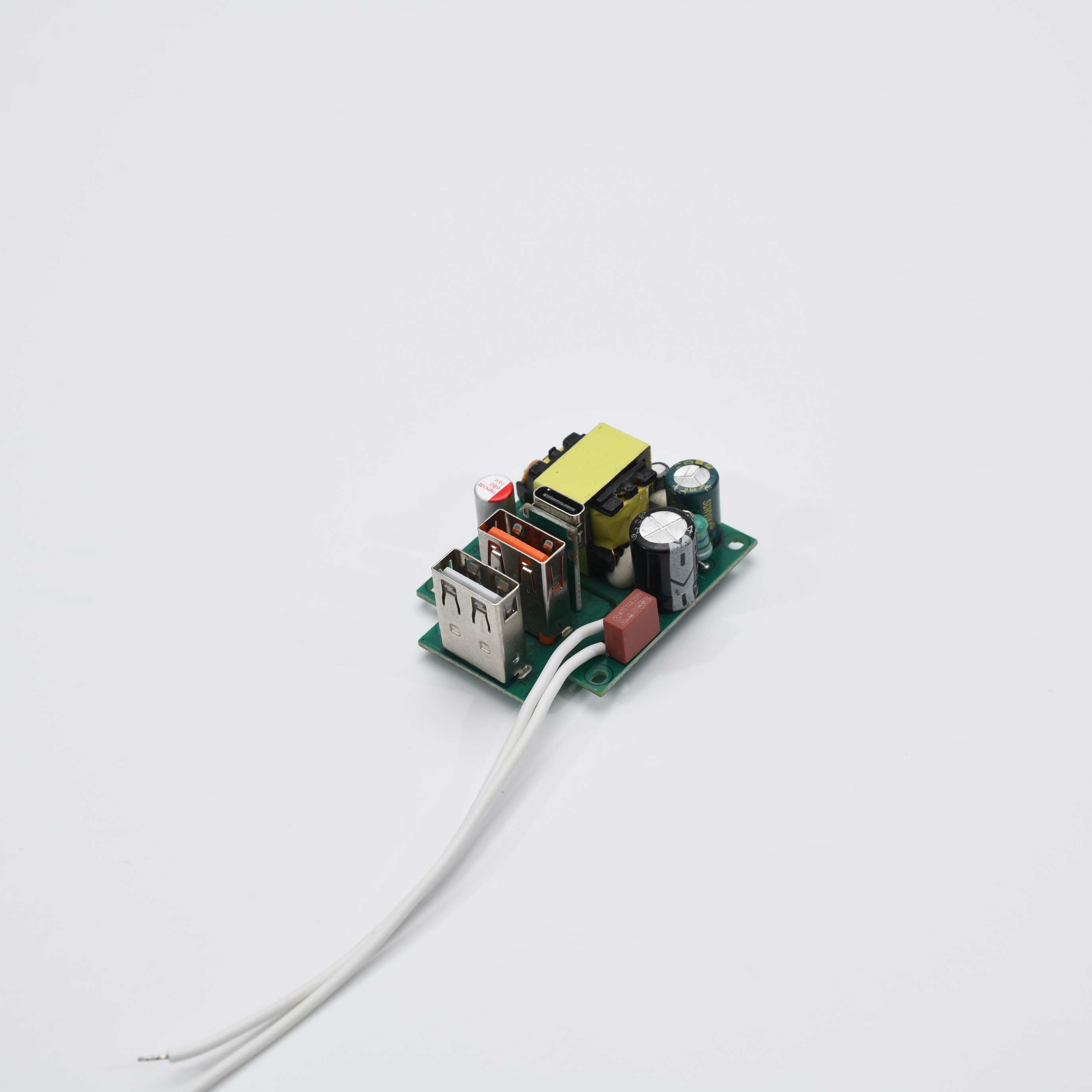
What Is a USB Charger?
A USB charger converts electrical energy from an AC or DC source into a controlled DC voltage that can safely charge electronic devices. It provides a standardized interface so that devices can draw power through a USB cable without risk of damage.
Key components of a USB charger include:
Power input source (AC wall outlet or DC battery)
Voltage conversion module (AC to DC USB charging board or DC ~ DC USB Converter)
USB ports for device connection
Safety circuits to prevent overvoltage, overcurrent, and short circuits
Types of USB Chargers
1. USB C Charger and USB C Power Adapter
The USB C charger uses the USB Type-C interface, which supports higher currents and faster data transfer compared to older USB-A chargers. A USB C power adapter can deliver rapid charging to compatible smartphones, tablets, laptops, and accessories.
Advantages include:
Reversible USB-C connector
Higher power output for fast charging
Compatibility with modern devices
2. Portable Laptop Charger
A portable laptop charger is designed to supply power to laptops and portable devices on the go. Many modern models use USB-C ports for high-efficiency charging, allowing users to carry a single charger for multiple devices.
3. Rectangular USB Charger
Rectangular USB chargers are common wall adapters with a compact design. They typically include one or more USB ports and internal circuits for AC to DC conversion. Many rectangular chargers are equipped with fast-charging capabilities.
4. USB Power Supply Board
For DIY electronics or custom charging devices, a USB power supply board is used to convert AC or DC input to regulated USB output. Variants include:
AC to DC USB charging board
AC to DC USB fast charging board
DC ~ DC USB converter
Dual USB port power converter board
AC DC 2USB charging board / AC DC 2 USB charging board
These boards are widely used in custom electronics, embedded systems, and prototyping.
5. Lightning to USB Cable
While not a charger itself, a Lightning to USB cable connects devices like iPhones or iPads to a USB charger. It enables safe power transfer and data synchronization.
How USB Chargers Work
Input Power: Receives electricity from AC mains (110V–240V) or a DC source.
Voltage Conversion: Converts the input to a safe 5V, 9V, 12V, or higher depending on device needs.
Current Regulation: Limits current to prevent damage.
Output Delivery: Supplies regulated DC power through one or multiple USB ports to connected devices.
High-efficiency models such as AC to DC USB fast charging board allow devices to charge at higher speeds safely.
Advantages of Modern USB Chargers
Versatility: Works with smartphones, tablets, laptops, cameras, and other electronics.
Portability: Compact designs like rectangular USB chargers are easy to carry.
Multiple Ports: Dual or multi-port chargers allow charging multiple devices simultaneously.
Fast Charging Support: USB-C and fast charging boards reduce charging times.
Safety Features: Built-in protections prevent overheating, short circuits, and overcurrent.
Applications of USB Chargers
Home and office use: Charging phones, tablets, and accessories
Travel: Portable laptop chargers and USB C chargers provide power on the go
DIY electronics: USB power supply boards and DC ~ DC USB converters are used in custom devices
Multi-device setups: Dual USB port power converter boards support simultaneous charging
Choosing the Right USB Charger
When selecting a USB charger, consider:
Device compatibility (USB-A, USB-C, or Lightning)
Power output (wattage for fast charging or laptop use)
Port configuration (single vs. dual USB ports)
Safety and certifications
Form factor (compact rectangular USB charger or integrated power supply board)
A USB charger is a versatile and essential tool for powering and charging modern electronic devices. From the compact Rectangular USB Charger and portable laptop charger to advanced boards like AC DC 2USB charging board and dual USB port power converter board, these devices convert AC or DC power into safe, regulated DC output. With innovations like USB C charger, USB C power adapter, and fast-charging capabilities, USB chargers continue to play a critical role in everyday life and modern electronics applications.