


Many people wonder whether a Power Adapter can be used as a charger for batteries, electronic devices, or other equipment. While both chargers and power adapters provide electrical power, they are designed for different purposes. Using the wrong device may result in poor performance, battery damage, or even safety risks.
In this article, we'll explain the differences between power adapters and chargers, when a power adapter can be used safely, and how to choose the right solution for your application.
What Is a Power Adapter?
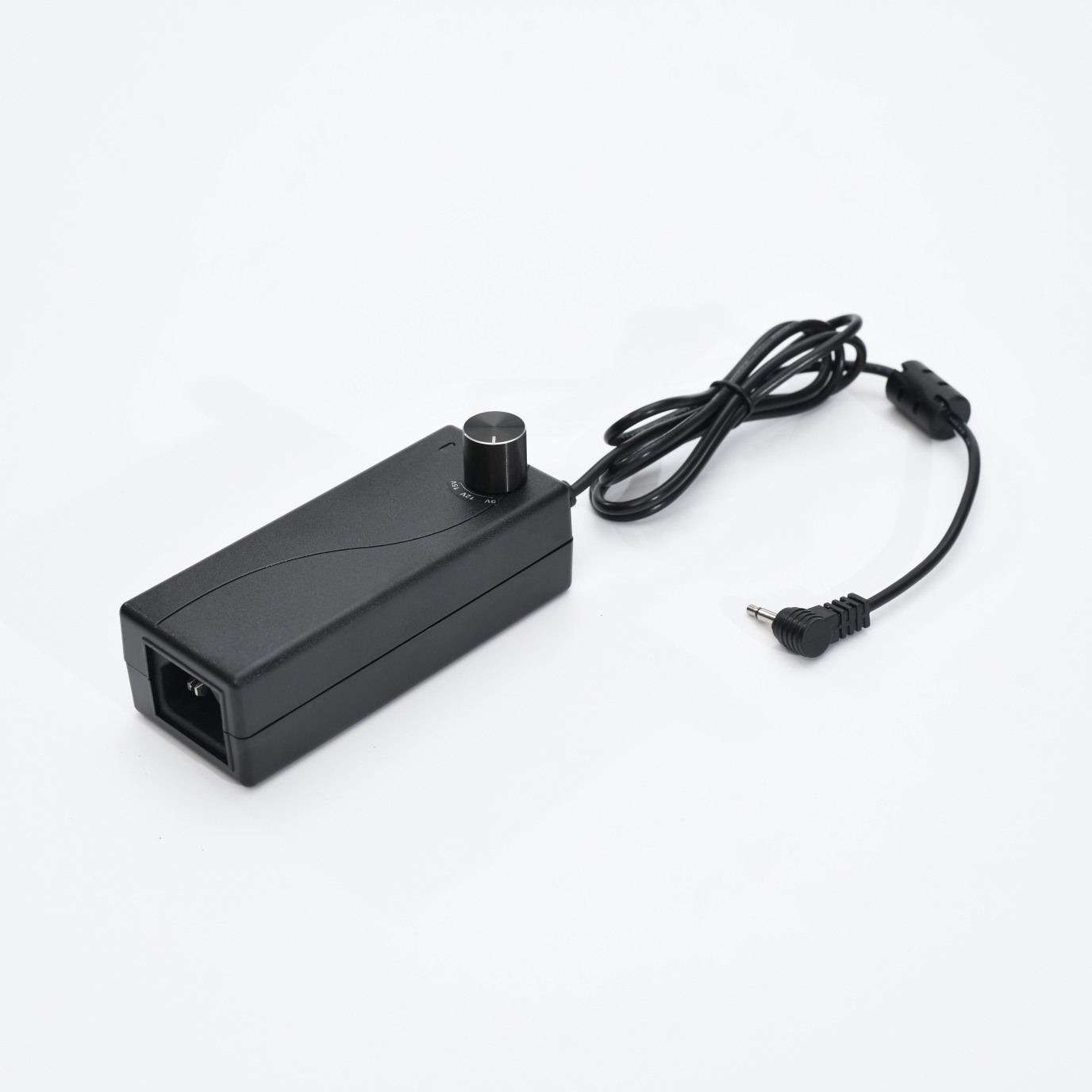
A Power Adapter is a device that converts electrical power from one form to another, typically converting AC power from a wall outlet into DC power required by electronic devices.
Common examples include:
Laptop adapters
Router power supplies
LED lighting power supplies
Security camera power supplies
Industrial control system power supplies
Power adapters are available in various voltage and wattage configurations, such as:
36W Power Adapter
75W Power Adapter
AC DC Adaptor 12V
12V 3A 36W Power Supply
What Is the Difference Between a Power Adapter and a Charger?
Although they may look similar, chargers and adapters serve different functions.
Power Adapter
A standard Power Adapter simply supplies a specific voltage and current to operate a device.
Its primary function is:
Voltage conversion
Current delivery
Device power supply
Charger
A charger not only provides power but also controls the battery charging process.
Charging functions include:
Charging current regulation
Voltage monitoring
Overcharge protection
Temperature monitoring
Battery management
For rechargeable batteries, these charging controls are essential.
Can a Power Adapter Be Used as a Charger?
The answer depends on the device being powered.
Yes, If the Device Has a Built-In Charging Circuit
Many modern devices contain internal charging management systems.
Examples include:
Smartphones
Tablets
Laptops
Bluetooth speakers
Portable electronics
In these cases, the external Power Adapter only supplies power while the device itself controls the charging process.
For example, a 45W Power Adapter or 18W Power Adapter can safely charge compatible devices because the charging circuitry is built into the product.
No, If Charging Bare Batteries Directly
If you are attempting to charge batteries directly without a dedicated charging circuit, a standard power adapter should not be used.
This can lead to:
Battery overheating
Reduced battery lifespan
Fire hazards
Battery swelling
Overcharging
In such cases, a dedicated charger is always recommended.
When Is an Adjustable Power Adapter Useful?
An Adjustable Power Adapter allows users to select different output voltages for various devices.
Popular options include:
AC DC Adapter Variable Voltage
Variable Power Adapter
Multi Voltage AC DC Power Adapter
AC DC Adjustable Power Adapter
These adapters are useful for:
Testing electronics
Powering multiple devices
DIY projects
Laboratory applications
Industrial equipment maintenance
However, even with adjustable voltage capability, they should not replace dedicated Battery Chargers unless the charging requirements are fully understood.
Understanding Power Ratings
Choosing the correct power rating is important for safe operation.
18W Power Adapter
Suitable for:
Smartphones
Small electronic devices
Wireless accessories
36W Power Adapter
Commonly used as:
LED lighting power supplies
Security camera systems
Networking equipment
A 12V 3A 36W Power Supply is one of the most popular configurations for these applications.
45W Power Adapter
Frequently used for:
Laptops
Monitors
Portable devices
75W Power Adapter
Ideal for:
Industrial equipment
Larger electronic devices
High-power communication systems
Always ensure that the voltage matches the device requirements and that the adapter can provide sufficient current.
What About Dual Output Power Supplies?
Some applications require multiple power outputs simultaneously.
Dual Output Power Supply
A Dual Output Power Supply provides two independent output channels from a single power source.
Benefits include:
Space-saving installation
Multiple voltage options
Simplified wiring
Dual DC Power Supply
A Dual DC Power Supply is commonly used in:
Electronics testing
Research laboratories
Industrial control systems
Audio equipment development
Unlike a simple charger, these power supplies are designed to power circuits and equipment rather than manage battery charging.
Choosing the Right AC DC Power Adapter
When selecting an adapter, consider the following:
Output Voltage
Verify the device's voltage requirements.
Common options include:
5V
9V
12V
18V
24V
Products such as an AC DC Adaptor 12V are widely used for electronic equipment and LED applications.
Output Current
The adapter should provide equal or greater current than required by the device.
Adjustable Voltage Requirements
For versatile applications, consider:
AC DC Adjustable Power Supplies
AC DC Adapter Variable Voltage
Variable Power Adapter
Connector Compatibility
Ensure the connector size and polarity match the device specifications.
Common Applications of Power Adapters
Modern power adapters are used in a wide range of industries:
Consumer Electronics
Smartphones
Tablets
Routers
Cameras
Industrial Equipment
Automation systems
PLC controllers
Sensors
Laboratory and Testing
Dual DC Power Supply
Dual Output Power Supply
Adjustable bench power supplies
Lighting Systems
LED strips
Display lighting
Commercial signage
So, Can I Use a Power Adapter as a Charger? The answer is sometimes—but only when the device includes its own charging management system. A standard Power Adapter is designed to supply power, while a charger actively controls the charging process to protect batteries.
Whether you need a Variable Power Adapter, AC DC Adjustable Power Adapter, Multi Voltage AC DC Power Adapter, 12V 3A 36W Power Supply, 18 Volt Adapter, or high-efficiency solutions such as an 18W Power Adapter, 36W Power Adapter, 45W Power Adapter, or 75W Power Adapter, selecting the correct voltage, current, and application-specific design is essential for safe and reliable operation.