


Charging a lead-acid battery correctly comes down to matching the Charger's voltage stages to the battery's state of charge—bulk charging at a higher current, absorption at a controlled voltage (typically around 14.4–14.8V for a 12V battery), and a lower trickle or float voltage (around 13.2–13.8V) to maintain the battery once it's full. Getting these stages wrong is one of the most common ways lead-acid batteries get damaged or fail early.
What You'll Need
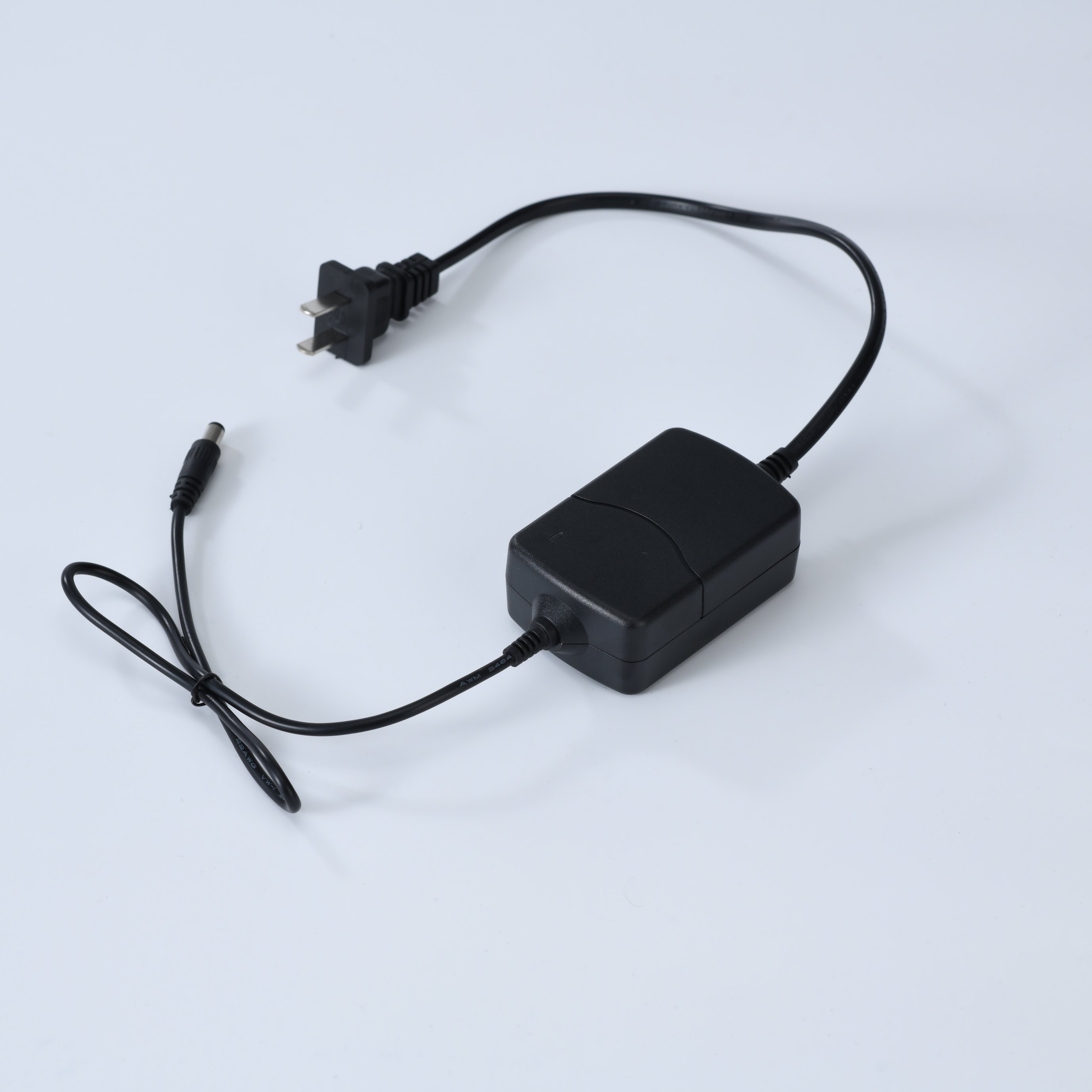
A charger rated for lead-acid batteries (and specifically for AGM or gel batteries, if that's what you have—see below)
A well-ventilated area, especially for flooded lead-acid batteries
A multimeter, if you want to confirm voltage before and after charging
Step 1: Check The Battery Type
Flooded, AGM, and gel lead-acid batteries all charge slightly differently, and gel batteries in particular are more sensitive to overcharging than the other two types. Using a charger not designed for your specific battery type is one of the most common causes of premature battery failure, so confirm this before connecting anything.
Step 2: Connect The Charger Correctly
Connect the positive charger lead to the positive battery terminal and the negative lead to the negative terminal (or a suitable chassis ground, if specified by the charger manufacturer). Reversed polarity can damage both the charger and the battery, so double-check the connection before powering on.
Step 3: Let The Charger Run Through Its Stages
A smart or multi-stage charger will automatically move from bulk charging (higher current, faster charge) to absorption (controlled voltage as the battery approaches full) and finally to float or trickle mode, which maintains the battery at a lower voltage without overcharging. If your charger doesn't have automatic stage switching, monitor voltage manually and reduce current as the battery approaches full to avoid excessive gassing.
Step 4: Know When To Stop Charging
A fully charged 12V lead-acid battery typically reads around 12.6–12.8V at rest (after resting, not immediately off the charger). If your charger doesn't have an automatic float mode, disconnect once the battery reaches this range rather than leaving it on a fixed charge indefinitely.
Sourcing chargers for lead-acid batteries at volume? Send us your battery type and voltage requirements, and we'll recommend the right charger specification—we typically respond within 24 hours.
Common Mistakes To Avoid
Using the wrong charger profile — a charger designed for flooded batteries can overcharge a gel battery, since gel batteries tolerate less overvoltage before damage occurs.
Charging in an unventilated space — flooded lead-acid batteries release hydrogen gas during charging, which needs somewhere to disperse rather than accumulate.
Leaving a non-smart charger connected too long — without a float stage, prolonged charging past full can cause overcharging, water loss (in flooded batteries), and reduced service life.
Charging a frozen or physically damaged battery — this can cause the battery to vent, crack, or fail unpredictably; let it warm up and inspect it first.
Skipping equalization on flooded batteries — flooded lead-acid batteries in regular cycling use often need periodic equalization charging to prevent sulfation buildup on the plates; check the manufacturer's recommended schedule.
Why Trickle Charging Matters For Long-Term Storage
Lead-acid batteries slowly self-discharge even when not in use, and a deeply discharged lead-acid battery is prone to sulfation—a buildup that reduces capacity and can become permanent if left too long. A trickle charger holds the battery at a low, steady maintenance voltage, offsetting self-discharge without overcharging, which is why it's the standard approach for batteries in seasonal equipment, backup power systems, or vehicles that sit unused for extended periods.
If you're specifying a charger for lead-acid batteries in a product or fleet application, sharing your battery type, voltage, and typical usage pattern (daily cycling vs. long-term standby) can help confirm the right charging profile for your project.