


Charging a lithium battery correctly means using a constant current (CC) stage to bring the battery up to its target voltage, followed by a constant voltage (CV) stage that tapers current as the battery approaches full—then stopping, rather than continuing to trickle-charge the way a lead-acid battery would. Charging lithium batteries the wrong way is one of the most common causes of reduced battery life and, in more serious cases, overheating.
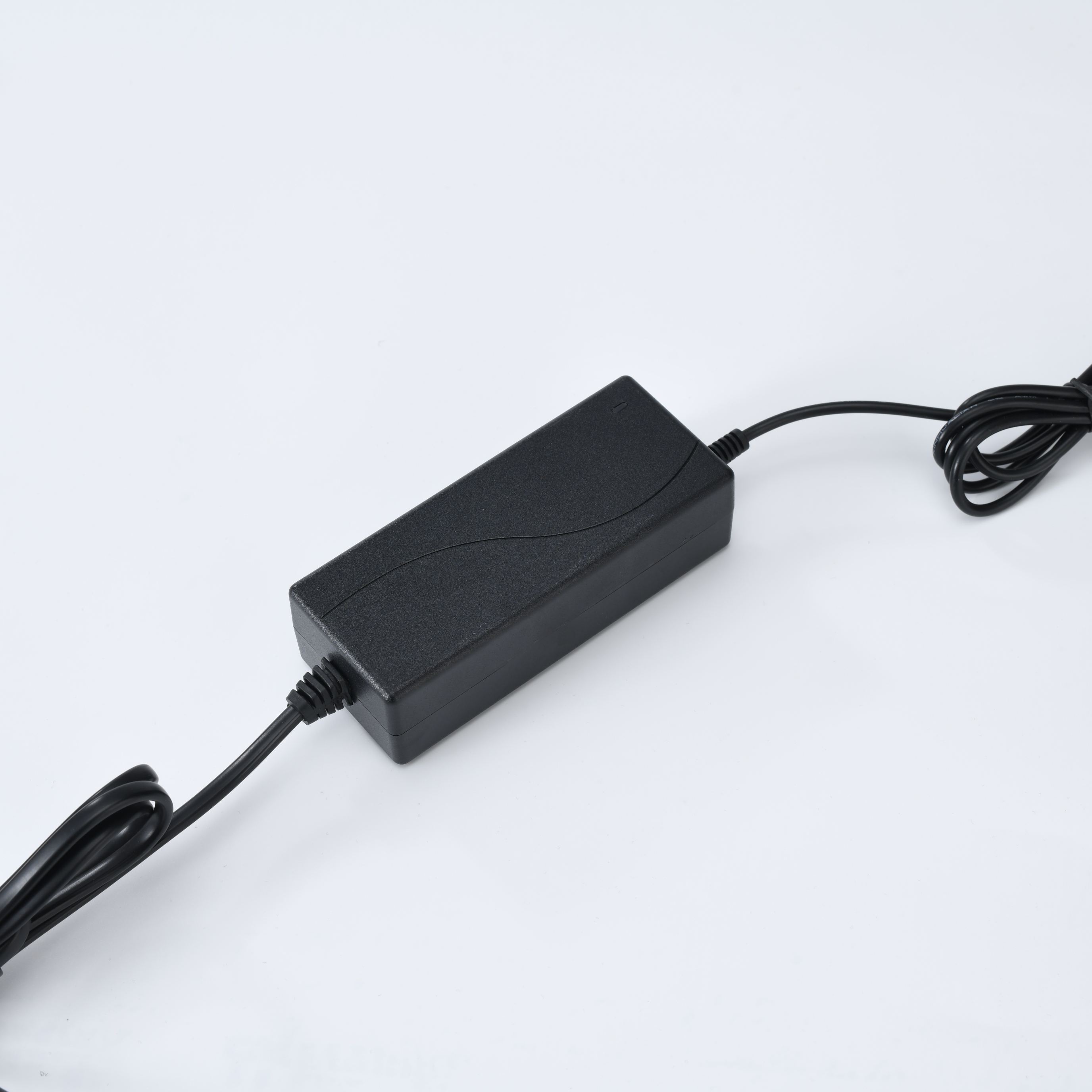
How Lithium Ion Battery Charging Actually Works
Most lithium battery charging follows a CC-CV profile, managed by the Charger and the battery's built-in battery management system (BMS):
Constant current stage — the charger delivers a steady current until the battery reaches its target voltage (commonly 4.2V per cell for standard lithium-ion, or lower for LiFePO4 chemistries around 3.6–3.65V per cell).
Constant voltage stage — once at target voltage, the charger holds that voltage steady while current gradually tapers off as the battery approaches full capacity.
Charge termination — once current drops below a set threshold, a properly designed charger stops charging entirely, rather than continuing to apply current.
Why "Trickle Charging" Works Differently For Lithium Batteries
If you're searching for a lithium battery trickle charger expecting the same continuous low-current maintenance charging used for lead-acid batteries, it's worth knowing that true indefinite trickle charging isn't the standard approach for lithium chemistries—continuously holding a lithium battery at full charge voltage accelerates degradation and, in poorly designed systems, raises safety risk. Instead, a proper lithium charging system stops once the battery reaches full charge and only resumes charging once voltage drops below a set threshold, giving periodic top-ups rather than a continuous trickle.
Step-By-Step: Charging Lithium Batteries Safely
1. Match the charger to your battery chemistry. Standard lithium-ion, LiFePO4, and other lithium chemistries have different target voltages—using the wrong charger profile can undercharge or overcharge the battery.
2. Charge within the recommended temperature range. Most lithium batteries shouldn't be charged at very low or very high temperatures; charging a cold battery in particular can cause internal damage over time.
3. Let the charger complete its cycle. Avoid interrupting a charge cycle repeatedly or disconnecting right before termination—let the CC-CV cycle finish so the BMS can properly signal a full charge.
4. Avoid leaving it on a charger with no cutoff. If you're using a basic charger without a BMS or charge-termination logic, don't leave the battery connected indefinitely once it's full.
Sourcing chargers for lithium battery products at volume? Send us your battery chemistry and voltage requirements, and we'll recommend the right charging profile—we typically respond within 24 hours.
Common Mistakes When Charging Lithium Batteries
Using a lead-acid-style trickle charger — continuous low-current charging designed for lead-acid batteries isn't appropriate for lithium chemistries and can degrade the cells over time.
Ignoring chemistry-specific voltage limits — overcharging past the target voltage for your specific lithium chemistry is one of the more serious risks, since it can lead to overheating.
Charging in extreme temperatures — charging a lithium battery when it's very cold or very hot can cause lasting capacity loss.
Storing at full charge for long periods — unlike lead-acid batteries, lithium batteries generally last longer in storage when kept at a partial charge rather than full.
If you're specifying a charger for a lithium battery product, sharing your battery chemistry, voltage, and intended use case (consumer device, backup power, EV-adjacent application, etc.) can help confirm the right charging profile and BMS compatibility for your project.